Grape field guide · dark-skinned

Carmenère

The vineyard’s unapologetic perfumer

Meet Carmenère: part fruit, part structure, and part argument with the place that grows it. The aromatic trail may include black plum, red pepper, violet, but the useful lesson is how those clues meet very late-ripening fruit and a generous frame.

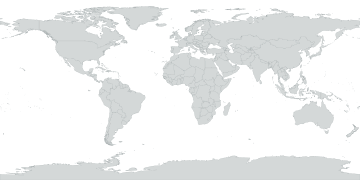
Bordeaux, France, with its modern centre in ChileVery late-ripening1 benchmark area mapped
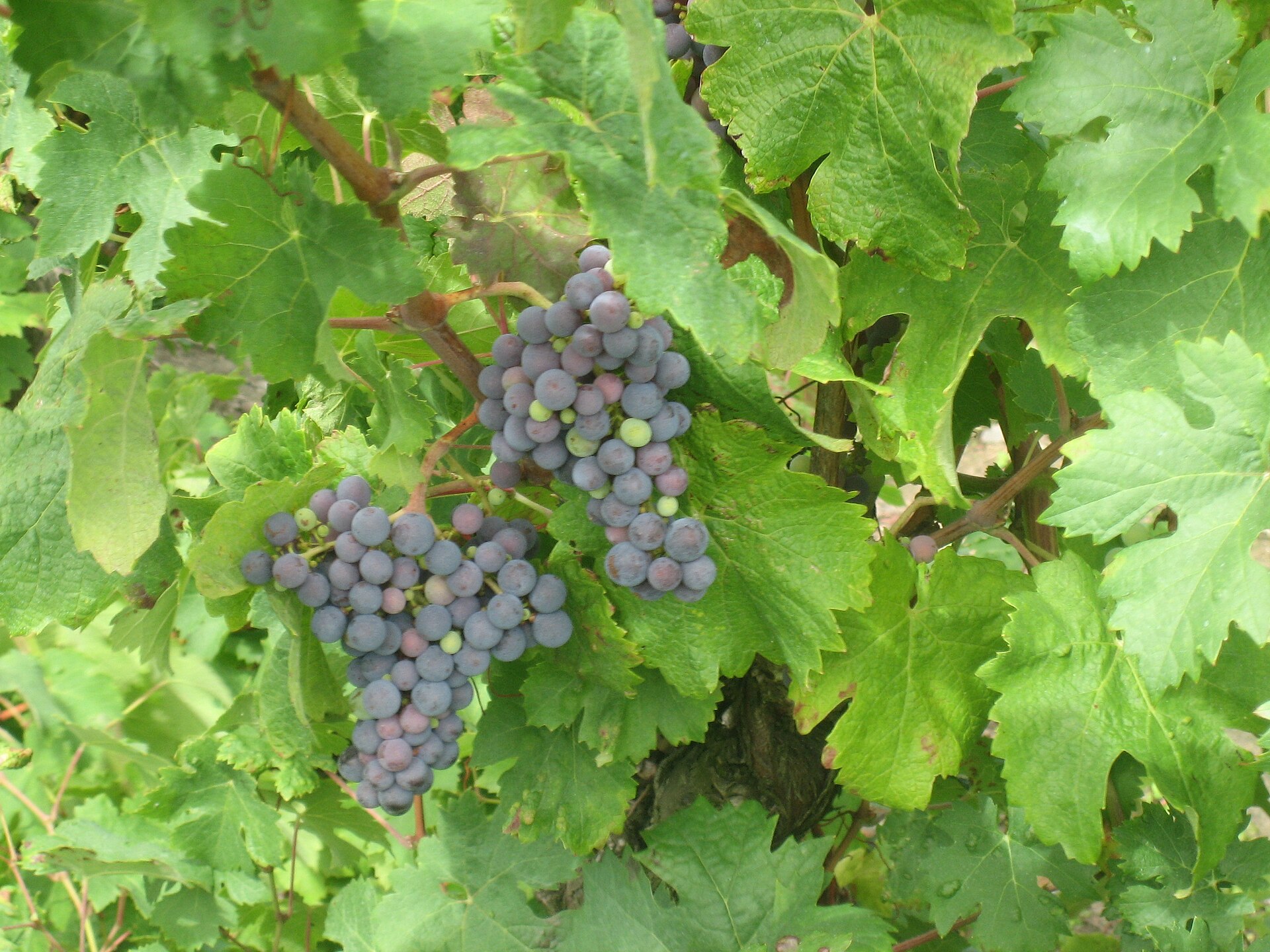
A bunch of Carmenère wine grapes on the vine
Photograph: Simon-sake at Dutch WikipediaCarmenere grapes.jpg · CC BY-SA 3.0

The grape story

How Carmenère got here

Once part of Bordeaux’s varietal mix, Carmenère nearly disappeared there after phylloxera. Chilean vines long labelled Merlot were identified as Carmenère in 1994.

Its home territory: Bordeaux, France, with its modern centre in Chile.

Names you may meetGrande Vidure

In the glass

Characteristics, not guarantees

These are useful recurring possibilities. Climate, yield, harvest date, fermentation, extraction, maturation, bottle age, and serving conditions can all move the result.

Smells to investigate

  • black plum
  • red pepper
  • violet
  • herbs

Flavours to investigate

  • dark fruit
  • roasted pepper
  • spice
  • cocoa

Typical structural range

Acidity
3/5
Body
4/5
Tannin
3/5

In the vineyard

How the vine behaves

Needs a long season; excess vigour or early harvest can preserve strong green-pepper character.

Berry colour
dark-skinned
Ripening window
Very late-ripening
Important caution
Site and clone can matter as much as the variety name.

Common expressions

Styles it can make

  • varietal red
  • Bordeaux-style blend

Variety does not dictate method. Skin contact, whole bunches, pressing, fermentation vessel, yeast, oxygen, oak, lees, sweetness, fortification, and bubbles can transform the same fruit.

Blending partners

Carmenère does not always work alone.

A blend is not a hiding place for leftovers. Each grape can be asked to supply fruit, perfume, acidity, tannin, colour, body, or simply a better answer to an awkward vintage.

Cabernet Sauvignon · Merlot · Cabernet Franc and company

Bordeaux-style red blend

Bordeaux blending is agricultural risk management turned into an aesthetic. Grapes bud and ripen at different times, perform differently by soil and bank, and contribute different pieces to the final architecture. The point is not to hide the grapes; it is to make them cooperate.

The recipe moves

Left Bank models often lean Cabernet Sauvignon; Right Bank models commonly lean Merlot and Cabernet Franc. Global versions borrow the idea without being obliged to copy either bank.

Try the lesson

Compare a Cabernet-led blend with a Merlot-led one. Track where the tannin sits, whether the fruit reads blackcurrant or plum, and how quickly the wine seems ready to talk.

Where it matters

Major growing areas

Markers combine dedicated World Explorer profiles with audited benchmark areas important to Carmenère. This is a teaching map of major associations—not a census of every planting.

  1. 1Maipo ValleyChile · Explorer profile

Try this at home

Give the lesson two glasses.

Put Carmenère beside Cabernet Sauvignon. Do not play “guess the grape.” Compare acidity, tannin or phenolic grip, body, aroma intensity, and the length of the finish. The useful answer is not which one you prefer, but what created the difference.

Wine 1 · ChileMaipo Valley

Mediterranean, dry in the growing season, with Andean, central-valley, and coastal sectors.

Keep digging

Follow the evidence, not the folklore.

Historical names, vineyard collections, official records, and modern research do not always agree neatly. These are starting points for checking the parts of the story that matter for this grape.

  1. OIV Vine Varieties Database ↗International names, synonyms, and country associations.
  2. UC Davis Foundation Plant Services ↗Reference plant material, origins, and selections.
  3. Wines of ChileRegional context for Carmenère in Maipo Valley.