Grape field guide · pale-skinned

Sauvignon Blanc

The aromatic detective

Sauvignon Blanc enters the room carrying evidence: citrus, herbs, gooseberry, tropical fruit, smoke, or all of the above. Climate and harvest timing move the clues, while fermentation decides how loudly they are announced.

Western FranceEarly- to mid-ripening10 benchmark areas mapped
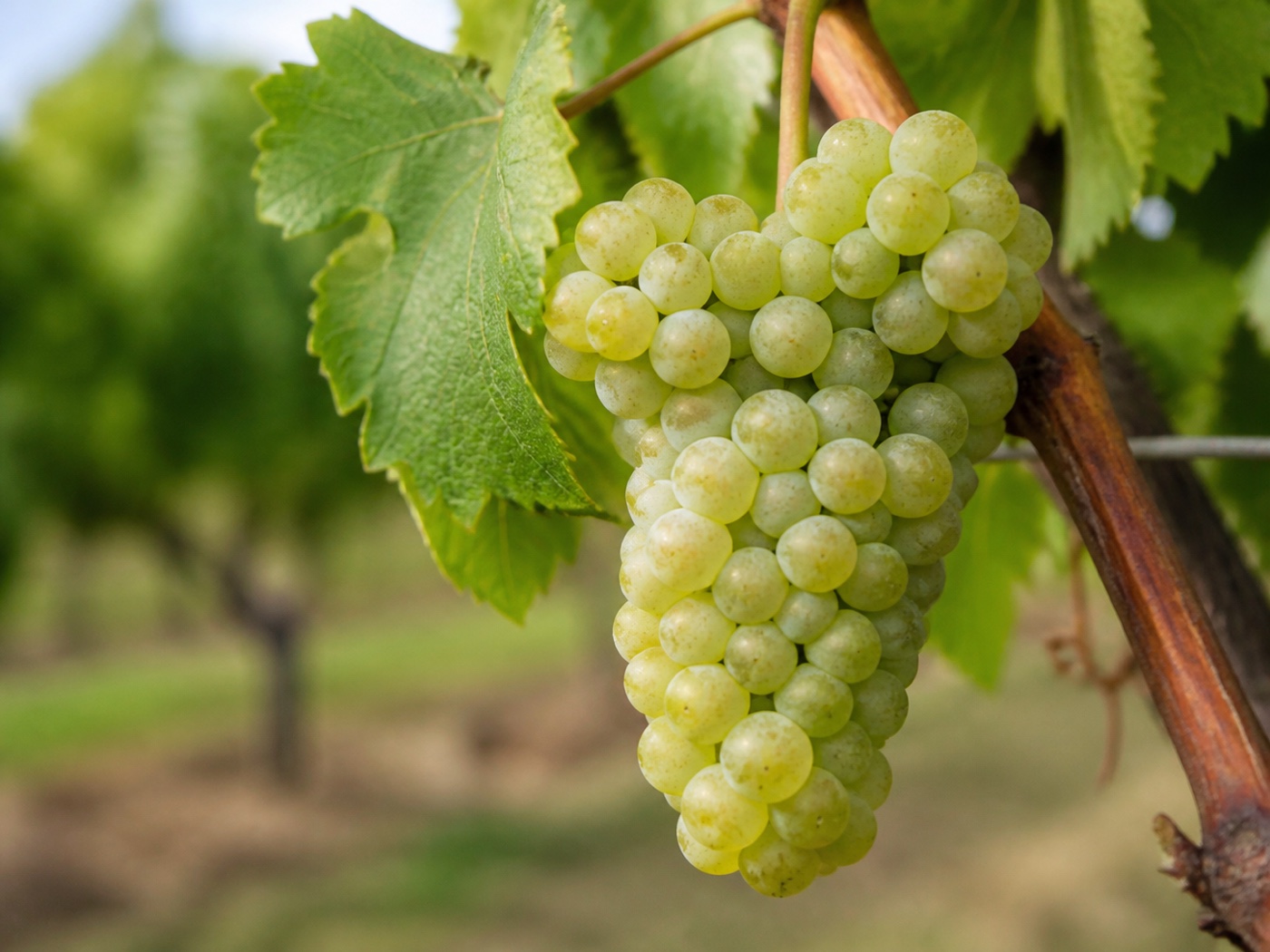
A bunch of Sauvignon Blanc wine grapes on the vine
Botanical reference illustration for Sauvignon BlancAppearance alone cannot identify a cultivar.

The grape story

How Sauvignon Blanc got here

An old Loire and Bordeaux grape, probably related closely to Savagnin; with Cabernet Franc it parented Cabernet Sauvignon.

Its home territory: Western France.

Names you may meetSauvignonFumé Blanc

In the glass

Characteristics, not guarantees

These are useful recurring possibilities. Climate, yield, harvest date, fermentation, extraction, maturation, bottle age, and serving conditions can all move the result.

Smells to investigate

  • gooseberry
  • grapefruit
  • passion fruit
  • grass

Flavours to investigate

  • citrus
  • tropical fruit
  • green herbs
  • stone fruit

Typical structural range

Acidity
5/5
Body
2/5

In the vineyard

How the vine behaves

Vigorous and susceptible to rot; canopy, harvest timing, oxygen, yeast, and thiol handling strongly shape aroma.

Berry colour
pale-skinned
Ripening window
Early- to mid-ripening
Important caution
Site and clone can matter as much as the variety name.

Common expressions

Styles it can make

  • dry aromatic white
  • barrel-aged white
  • Bordeaux blend
  • sweet-wine blend

Variety does not dictate method. Skin contact, whole bunches, pressing, fermentation vessel, yeast, oxygen, oak, lees, sweetness, fortification, and bubbles can transform the same fruit.

Blending partners

Sauvignon Blanc does not always work alone.

A blend is not a hiding place for leftovers. Each grape can be asked to supply fruit, perfume, acidity, tannin, colour, body, or simply a better answer to an awkward vintage.

Sauvignon Blanc · Sémillon

Bordeaux white blend

Sauvignon Blanc and Sémillon solve each other’s excesses rather neatly. Sauvignon can be all angles and aroma; Sémillon can be broad and quiet. Together they can make dry, age-worthy whites or, under noble rot, some of the world’s great sweet wines.
The recipe moves

Dry blends may favour either grape. In sweet Bordeaux, site, noble rot, and selective harvesting matter more than a memorized formula.

Try the lesson

Taste Sauvignon Blanc alone, Sémillon alone, then a blend. Ask whether the blend feels like compromise or completed architecture.

Sauvignon Blanc · Sémillon

Australian Sauvignon Blanc–Sémillon

Often shortened to SBS or SSB according to which grape leads, this Australian blend turns order into useful label information. Sauvignon announces; Sémillon edits and lengthens.

The recipe moves

The first grape named usually leads, but exact percentages and oak treatment vary.

Try the lesson

Compare an SBS with an SSB. See whether the initials predict aroma volume and palate width as neatly as promised.

Where it matters

Major growing areas

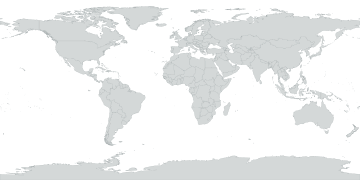
Markers combine dedicated World Explorer profiles with audited benchmark areas important to Sauvignon Blanc. This is a teaching map of major associations—not a census of every planting.

  1. 1BordeauxFrance · Explorer profile
  2. 2Loire ValleyFrance · Explorer profile
  3. 3GenevaSwitzerland · Explorer profile
  4. 4Napa ValleyUnited States · Explorer profile
  5. 5Sonoma CountyUnited States · Explorer profile
  6. 6Long IslandUnited States · Explorer profile
  7. 7Maipo ValleyChile · Explorer profile
  8. 8Margaret RiverAustralia · Explorer profile
  9. 9MarlboroughNew Zealand · Explorer profile
  10. 10Friuli-Venezia GiuliaItaly · Explorer profile

Try this at home

Give the lesson two glasses.

Put Sauvignon Blanc beside Chardonnay. Do not play “guess the grape.” Compare acidity, tannin or phenolic grip, body, aroma intensity, and the length of the finish. The useful answer is not which one you prefer, but what created the difference.

Wine 1 · FranceBordeaux

Maritime, with Atlantic rain and vintage variation; gravel, clay, and limestone change drainage and ripening.

Wine 2 · FranceLoire Valley

Ranges from Atlantic maritime influence in the west to increasingly continental conditions inland.

Wine 3 · SwitzerlandGeneva

Lake and Rhône influences moderate a continental setting, while the bise wind, rainfall, hail, and warm-season variation create meaningful vintage risk.

Keep digging

Follow the evidence, not the folklore.

Historical names, vineyard collections, official records, and modern research do not always agree neatly. These are starting points for checking the parts of the story that matter for this grape.

  1. OIV Vine Varieties Database ↗International names, synonyms, and country associations.
  2. UC Davis Foundation Plant Services ↗Reference plant material, origins, and selections.
  3. Bordeaux Wine CouncilRegional context for Sauvignon Blanc in Bordeaux.
  4. Loire Valley WinesRegional context for Sauvignon Blanc in Loire Valley.
  5. Swiss Wine: GenevaRegional context for Sauvignon Blanc in Geneva.
  6. Napa Valley VintnersRegional context for Sauvignon Blanc in Napa Valley.