Grape field guide · pink- or grey-skinned

Pinot Gris

The grape that refuses a simple colour box

Do not reduce Pinot Gris to a list of smells. Yes, pear, apple, smoke may appear, but its real personality lives in the tension between ripeness, acidity, texture, and the grower’s choices. This is a grape to follow through the whole sip, not identify after one sniff.

Burgundy, France, as a colour mutation of Pinot NoirEarly-ripening12 benchmark areas mapped
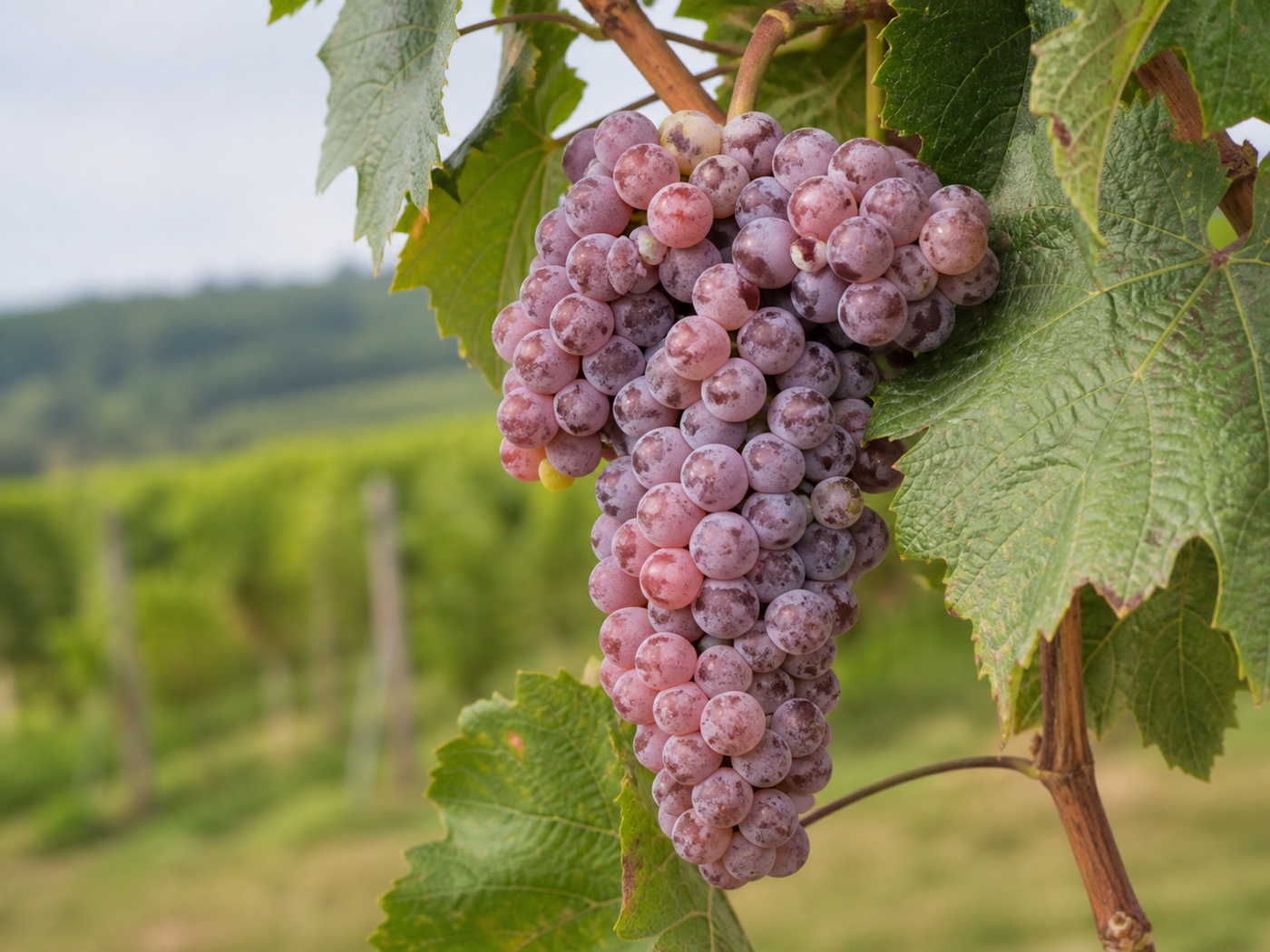
A bunch of Pinot Gris wine grapes on the vine
Botanical reference illustration for Pinot GrisAppearance alone cannot identify a cultivar.

The grape story

How Pinot Gris got here

The grey-pink mutation of Pinot spread widely under names including Pinot Grigio and Grauburgunder, supporting very different regional styles.

Its home territory: Burgundy, France, as a colour mutation of Pinot Noir.

Names you may meetPinot GrigioGrauburgunderRuländer

In the glass

Characteristics, not guarantees

These are useful recurring possibilities. Climate, yield, harvest date, fermentation, extraction, maturation, bottle age, and serving conditions can all move the result.

Smells to investigate

  • pear
  • apple
  • smoke
  • almond

Flavours to investigate

  • orchard fruit
  • melon
  • spice

Typical structural range

Acidity
3/5
Body
3/5
Tannin
0/5

In the vineyard

How the vine behaves

Compact bunches raise rot risk; pigmented skins can give copper or pink colour with contact.

Berry colour
pink- or grey-skinned
Ripening window
Early-ripening
Important caution
Site and clone can matter as much as the variety name.

Common expressions

Styles it can make

  • light dry white
  • textured white
  • skin-contact wine
  • late-harvest wine

Variety does not dictate method. Skin contact, whole bunches, pressing, fermentation vessel, yeast, oxygen, oak, lees, sweetness, fortification, and bubbles can transform the same fruit.

Blending partners

Pinot Gris does not always work alone.

A blend is not a hiding place for leftovers. Each grape can be asked to supply fruit, perfume, acidity, tannin, colour, body, or simply a better answer to an awkward vintage.

Aromatic and non-aromatic white grapes share the table

Alsace Gentil or Edelzwicker

Traditional mixed Alsatian whites can blend varieties that would dominate the room alone. The art lies in keeping perfume from becoming potpourri and body from outrunning freshness.
The recipe moves

Gentil has specific quality conventions; Edelzwicker is broader. Producer disclosure is more useful than assuming every mixed white follows the same rule.

Try the lesson

Serve the blend beside Gewürztraminer. Notice whether the blend edits the perfume into harmony or merely lowers the volume.

Where it matters

Major growing areas

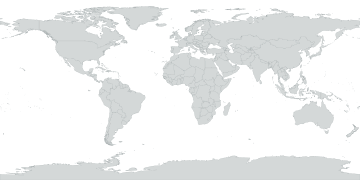
Markers combine dedicated World Explorer profiles with audited benchmark areas important to Pinot Gris or its synonym Grauburgunder. This is a teaching map of major associations—not a census of every planting.

  1. 1PfalzGermany · Explorer profile
  2. 2RheinhessenGermany · Explorer profile
  3. 3BadenGermany · Explorer profile
  4. 4Three LakesSwitzerland · Explorer profile
  5. 5Willamette ValleyUnited States · Explorer profile
  6. 6Leelanau PeninsulaUnited States · Explorer profile
  7. 7TasmaniaAustralia · Explorer profile
  8. 8Central OtagoNew Zealand · Explorer profile
  9. 9VenetoItaly · Explorer profile
  10. 10Friuli-Venezia GiuliaItaly · Explorer profile
  11. 11Alto Adige / SüdtirolItaly · Explorer profile
  12. 12
    AlsaceFrance · benchmark area

Try this at home

Give the lesson two glasses.

Put Pinot Gris beside Chardonnay. Do not play “guess the grape.” Compare acidity, tannin or phenolic grip, body, aroma intensity, and the length of the finish. The useful answer is not which one you prefer, but what created the difference.

Wine 1 · GermanyPfalz

Relatively warm and dry for Germany, protected by the Haardt Mountains but still exposed to vintage heat, drought, and spring frost.

Wine 2 · GermanyRheinhessen

Generally mild and comparatively dry, with important differences between river-facing slopes, rolling inland hills, and exposed sites.

Wine 3 · GermanyBaden

Germany’s warmest broad growing region stretches across varied zones, with Rhine influence, mountain shelter, and meaningful north–south differences.

Keep digging

Follow the evidence, not the folklore.

Historical names, vineyard collections, official records, and modern research do not always agree neatly. These are starting points for checking the parts of the story that matter for this grape.

  1. OIV Vine Varieties Database ↗International names, synonyms, and country associations.
  2. UC Davis Foundation Plant Services ↗Reference plant material, origins, and selections.
  3. Wines of GermanyRegional context for Pinot Gris in Pfalz.
  4. Wines of GermanyRegional context for Pinot Gris in Rheinhessen.
  5. Wines of GermanyRegional context for Pinot Gris in Baden.
  6. Swiss Wine: Three LakesRegional context for Pinot Gris in Three Lakes.