Grape field guide · dark-skinned

Graciano

The vineyard’s unapologetic perfumer

Graciano does not need a long résumé to make an entrance. Look for black cherry, violet, pepper, then pay attention to the shape: acidity keeps it alert, body keeps the footsteps light, and tannin supplies the grip. Its classic starting point is Rioja blend.

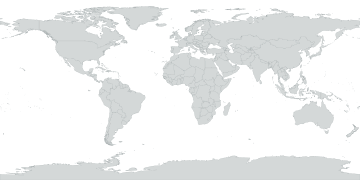
Northern SpainLate-ripening1 benchmark area mapped
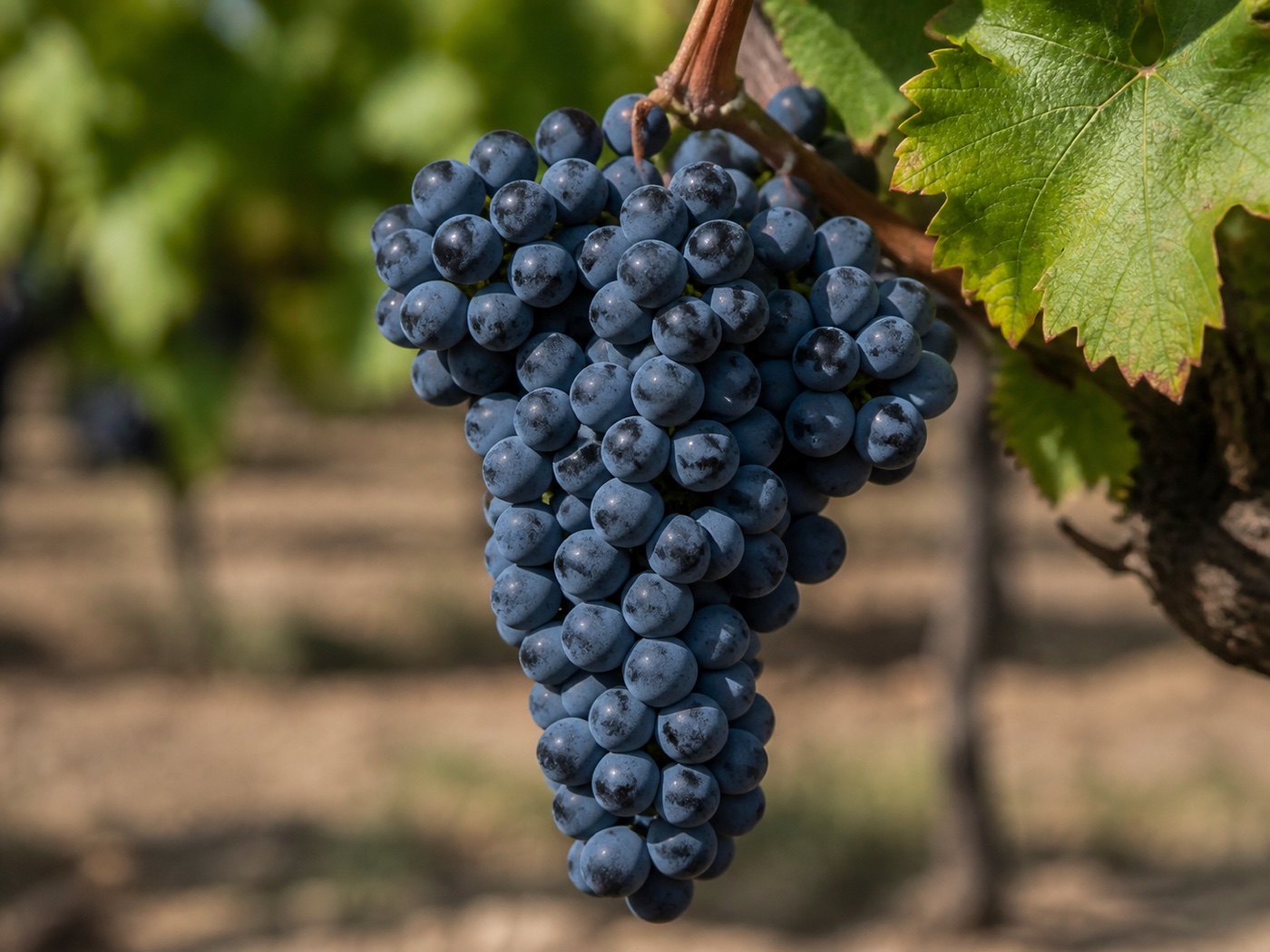
A bunch of Graciano wine grapes on the vine
Botanical reference illustration for GracianoAppearance alone cannot identify a cultivar.

The grape story

How Graciano got here

A historic Rioja blending grape valued for aroma, acidity, and colour but reduced after phylloxera because of low yield and late ripening.

Its home territory: Northern Spain.

Names you may meetMorrastel

In the glass

Characteristics, not guarantees

These are useful recurring possibilities. Climate, yield, harvest date, fermentation, extraction, maturation, bottle age, and serving conditions can all move the result.

Smells to investigate

  • black cherry
  • violet
  • pepper
  • herbs

Flavours to investigate

  • dark fruit
  • spice
  • licorice

Typical structural range

Acidity
4/5
Body
3/5
Tannin
4/5

In the vineyard

How the vine behaves

Low yielding and demanding of a long season; useful for freshness in warm regions.

Berry colour
dark-skinned
Ripening window
Late-ripening
Important caution
Site and clone can matter as much as the variety name.

Common expressions

Styles it can make

  • Rioja blend
  • small-production varietal red

Variety does not dictate method. Skin contact, whole bunches, pressing, fermentation vessel, yeast, oxygen, oak, lees, sweetness, fortification, and bubbles can transform the same fruit.

Blending partners

Graciano does not always work alone.

A blend is not a hiding place for leftovers. Each grape can be asked to supply fruit, perfume, acidity, tannin, colour, body, or simply a better answer to an awkward vintage.

Tempranillo · Garnacha · Graciano · Mazuelo

Traditional Rioja red blend

Classic Rioja blending uses grapes and subzones as a set of corrections. Tempranillo can supply the centre, Garnacha the warmth, Graciano the perfume, and Mazuelo the edge. Ageing then adds another compositional layer.

The recipe moves

Tempranillo normally leads, but old and modern bottlings vary. Varietal Rioja also exists; tradition is not one compulsory recipe.

Try the lesson

Compare a Tempranillo-dominant Rioja with one listing Graciano or Garnacha prominently. Find the perfume, warmth, and acid line before looking at the label again.

Where it matters

Major growing areas

Markers combine dedicated World Explorer profiles with audited benchmark areas important to Graciano. This is a teaching map of major associations—not a census of every planting.

  1. 1RiojaSpain · Explorer profile

Try this at home

Give the lesson two glasses.

Put Graciano beside Garnacha. Do not play “guess the grape.” Compare acidity, tannin or phenolic grip, body, aroma intensity, and the length of the finish. The useful answer is not which one you prefer, but what created the difference.

Wine 1 · SpainRioja

Atlantic, continental, and Mediterranean influences meet across a varied region.

Keep digging

Follow the evidence, not the folklore.

Historical names, vineyard collections, official records, and modern research do not always agree neatly. These are starting points for checking the parts of the story that matter for this grape.

  1. OIV Vine Varieties Database ↗International names, synonyms, and country associations.
  2. UC Davis Foundation Plant Services ↗Reference plant material, origins, and selections.
  3. Rioja DOCaRegional context for Graciano in Rioja.