Grape field guide · dark-skinned

Canaiolo

The vineyard’s unapologetic perfumer

Canaiolo has a party trick: it can turn red cherry, violet, dried herbs into something that tastes of a place rather than a fruit bowl. Start with Tuscan red blend, notice the acidity and weight, and only then decide what sort of character has actually joined you at the table.

Central ItalyMid-ripening1 benchmark area mapped
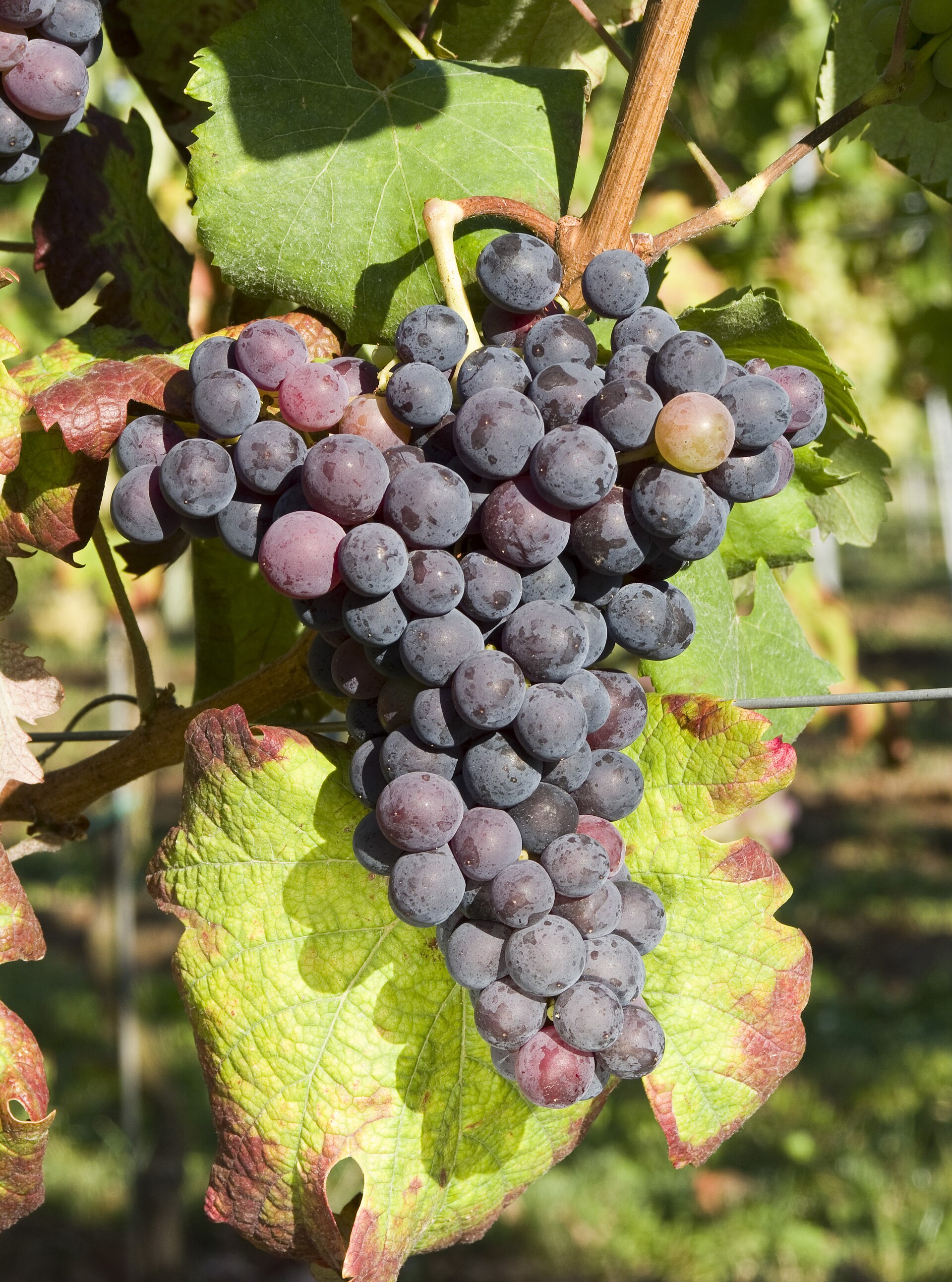
A bunch of Canaiolo wine grapes on the vine
Photograph: Please note: This photo can be reproduced. Please quote the source as indicated below: Ursula Brühl, Julius Kühn-Institut (JKI) Bundesforschungsinstitut für Kulturpflanzen Institut für Rebenzüchtung Geilweilerhof - 76833 Siebeldingen - GERMANYVIVC2037 CANAIOLO NERO Cluster in the field 16907.jpg · CC BY-SA 4.0

The grape story

How Canaiolo got here

A historic Tuscan blending grape, once central to Chianti formulas before Sangiovese became dominant.

Its home territory: Central Italy.

Names you may meetCanaiolo Nero

In the glass

Characteristics, not guarantees

These are useful recurring possibilities. Climate, yield, harvest date, fermentation, extraction, maturation, bottle age, and serving conditions can all move the result.

Smells to investigate

  • red cherry
  • violet
  • dried herbs

Flavours to investigate

  • soft red fruit
  • spice
  • earth

Typical structural range

Acidity
3/5
Body
3/5
Tannin
2/5

In the vineyard

How the vine behaves

Can soften Sangiovese-based blends; productivity and disease sensitivity vary by selection.

Berry colour
dark-skinned
Ripening window
Mid-ripening
Important caution
Site and clone can matter as much as the variety name.

Common expressions

Styles it can make

  • Tuscan red blend
  • occasional varietal red

Variety does not dictate method. Skin contact, whole bunches, pressing, fermentation vessel, yeast, oxygen, oak, lees, sweetness, fortification, and bubbles can transform the same fruit.

Blending partners

Canaiolo does not always work alone.

A blend is not a hiding place for leftovers. Each grape can be asked to supply fruit, perfume, acidity, tannin, colour, body, or simply a better answer to an awkward vintage.

Sangiovese · Canaiolo and permitted partners

Chianti blend

Chianti has never been one timeless recipe. Historic formulas, changing law, white-grape use, local traditions, and modern international varieties have all moved around a Sangiovese centre.

The recipe moves

Current appellation rules set Sangiovese minimums and permitted partners that vary by category. Producer intent still matters inside the law.

Try the lesson

Compare pure Sangiovese with a declared blend. Ask whether the partner softened, darkened, perfumed, or simply obscured the regional voice.

Where it matters

Major growing areas

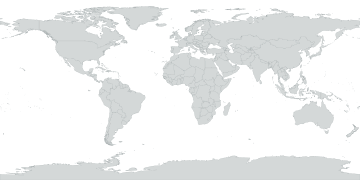
Markers combine dedicated World Explorer profiles with audited benchmark areas important to Canaiolo. This is a teaching map of major associations—not a census of every planting.

  1. 1TuscanyItaly · Explorer profile

Try this at home

Give the lesson two glasses.

Put Canaiolo beside Cabernet Sauvignon. Do not play “guess the grape.” Compare acidity, tannin or phenolic grip, body, aroma intensity, and the length of the finish. The useful answer is not which one you prefer, but what created the difference.

Wine 1 · ItalyTuscany

Mediterranean with inland elevation and large site differences in heat, rainfall, and exposure.

Keep digging

Follow the evidence, not the folklore.

Historical names, vineyard collections, official records, and modern research do not always agree neatly. These are starting points for checking the parts of the story that matter for this grape.

  1. OIV Vine Varieties Database ↗International names, synonyms, and country associations.
  2. UC Davis Foundation Plant Services ↗Reference plant material, origins, and selections.
  3. Chianti Classico ConsortiumRegional context for Canaiolo in Tuscany.