Grape field guide · pale-skinned

Albariño

The bright spark that keeps the glass awake

Do not reduce Albariño to a list of smells. Yes, lime, grapefruit, peach may appear, but its real personality lives in the tension between ripeness, acidity, texture, and the grower’s choices. This is a grape to follow through the whole sip, not identify after one sniff.

Galicia in north-west Spain and northern PortugalEarly- to mid-ripening3 benchmark areas mapped
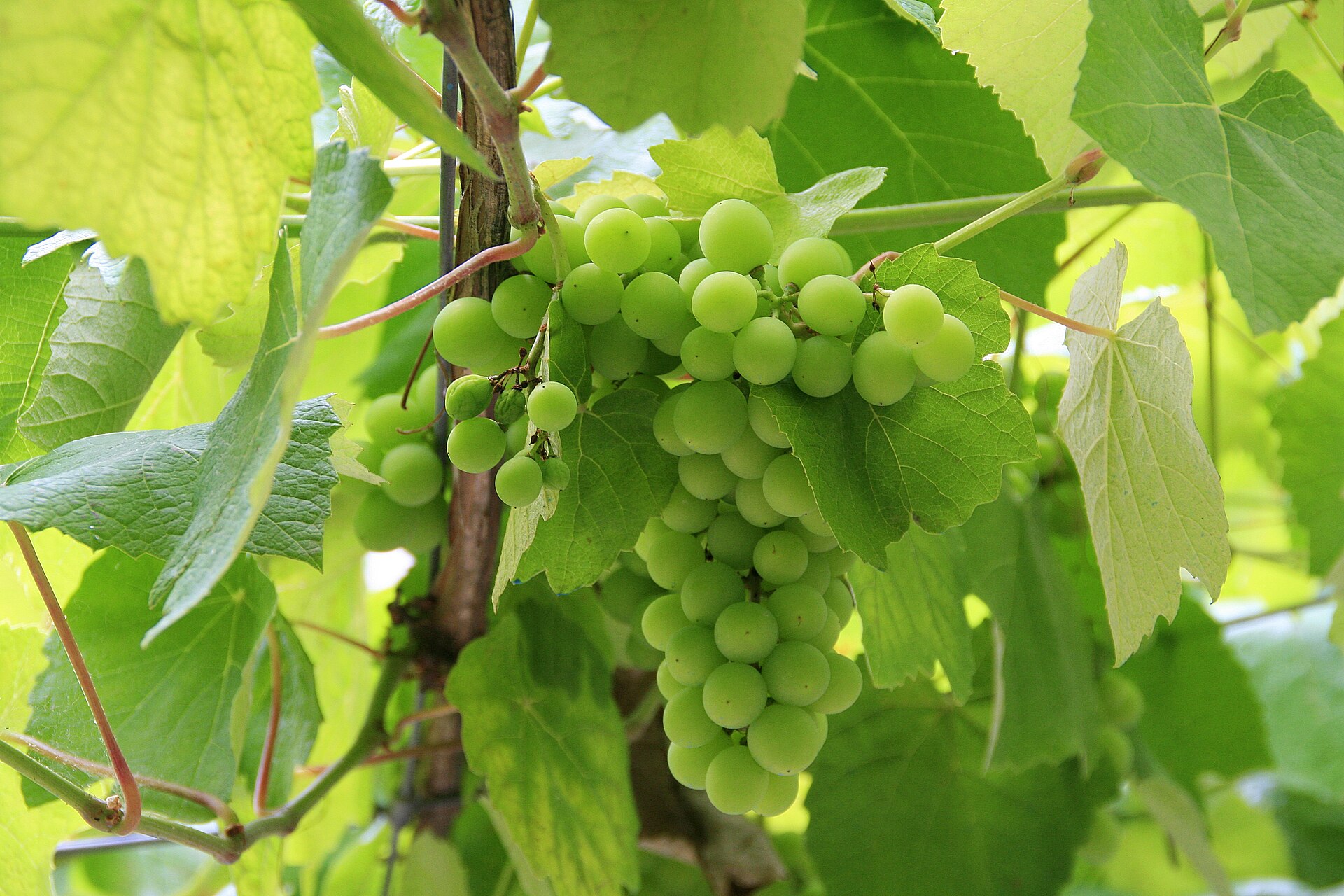
A bunch of Albariño wine grapes on the vine
Photograph: Miguel Ángel García.Buena uva,buen albariño (pre-veraison).jpg · CC BY 2.0

The grape story

How Albariño got here

An old Atlantic Iberian variety shared across a modern border; DNA and historical work reject the once-popular story that medieval monks imported Riesling.

Its home territory: Galicia in north-west Spain and northern Portugal.

Names you may meetAlvarinho

In the glass

Characteristics, not guarantees

These are useful recurring possibilities. Climate, yield, harvest date, fermentation, extraction, maturation, bottle age, and serving conditions can all move the result.

Smells to investigate

  • lime
  • grapefruit
  • peach
  • apricot
  • white flowers

Flavours to investigate

  • citrus
  • stone fruit
  • green melon
  • herbal notes

Typical structural range

Acidity
5/5
Body
2/5

In the vineyard

How the vine behaves

Thick skins and airy training can help in humid, disease-prone coastal vineyards.

Berry colour
pale-skinned
Ripening window
Early- to mid-ripening
Important caution
Site and clone can matter as much as the variety name.

Common expressions

Styles it can make

  • dry aromatic white
  • lees-aged white
  • sparkling wine

Variety does not dictate method. Skin contact, whole bunches, pressing, fermentation vessel, yeast, oxygen, oak, lees, sweetness, fortification, and bubbles can transform the same fruit.

Blending partners

Albariño does not always work alone.

A blend is not a hiding place for leftovers. Each grape can be asked to supply fruit, perfume, acidity, tannin, colour, body, or simply a better answer to an awkward vintage.

Albariño · Loureiro · Caiño Blanco · Treixadura

Atlantic Iberian white blend

Albariño dominates the international story, but local blends reveal Atlantic viticulture as a balance of perfume, acidity, and texture. The less famous grapes are not filler; they are adjustments to the equation.

The recipe moves

Subzones and appellation rules matter. Some wines are pure Albariño, while traditional blends can draw on several authorized local varieties.

Try the lesson

Taste varietal Albariño beside a local blend. Find what became more floral, more austere, or broader rather than merely asking which is ‘more Albariño’.

Loureiro · Alvarinho · Trajadura

Vinho Verde white blend

Vinho Verde is a region, not a promise that the wine is green, fizzy, or barely alcoholic. Blending varies by subregion: aromatic Loureiro, structured Alvarinho, and softer Trajadura offer different routes through the Atlantic climate.

The recipe moves

Modern wines range from inexpensive multi-grape blends to serious varietal bottlings. Category stereotypes age faster than the wines.

Try the lesson

Compare a light blended Vinho Verde with a concentrated varietal Alvarinho. Same broad region, dramatically different ambition.

Where it matters

Major growing areas

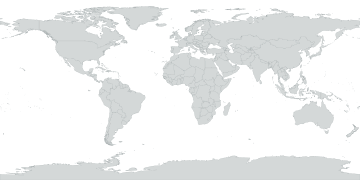
Markers combine dedicated World Explorer profiles with audited benchmark areas important to Albariño. This is a teaching map of major associations—not a census of every planting.

World map showing major growing areas associated with Albariño1Rías Baixas2Canelones3Monção e Melgaço
  1. 1Rías BaixasSpain · Explorer profile
  2. 2CanelonesUruguay · Explorer profile
  3. 3
    Monção e MelgaçoPortugal · benchmark area

Try this at home

Give the lesson two glasses.

Put Albariño beside Cabernet Franc. Do not play “guess the grape.” Compare acidity, tannin or phenolic grip, body, aroma intensity, and the length of the finish. The useful answer is not which one you prefer, but what created the difference.

Wine 1 · SpainRías Baixas

Cool, humid Atlantic influence brings high rainfall and disease pressure, moderated by sunshine, airflow, and site exposure.

Wine 2 · UruguayCanelones

Humid maritime conditions with Atlantic influence and significant disease pressure.

Keep digging

Follow the evidence, not the folklore.

Historical names, vineyard collections, official records, and modern research do not always agree neatly. These are starting points for checking the parts of the story that matter for this grape.

  1. OIV Vine Varieties Database ↗International names, synonyms, and country associations.
  2. UC Davis Foundation Plant Services ↗Reference plant material, origins, and selections.
  3. Rías Baixas WinesRegional context for Albariño in Rías Baixas.
  4. Wines of UruguayRegional context for Albariño in Canelones.