
The small-lot translator
Tony Arcudi
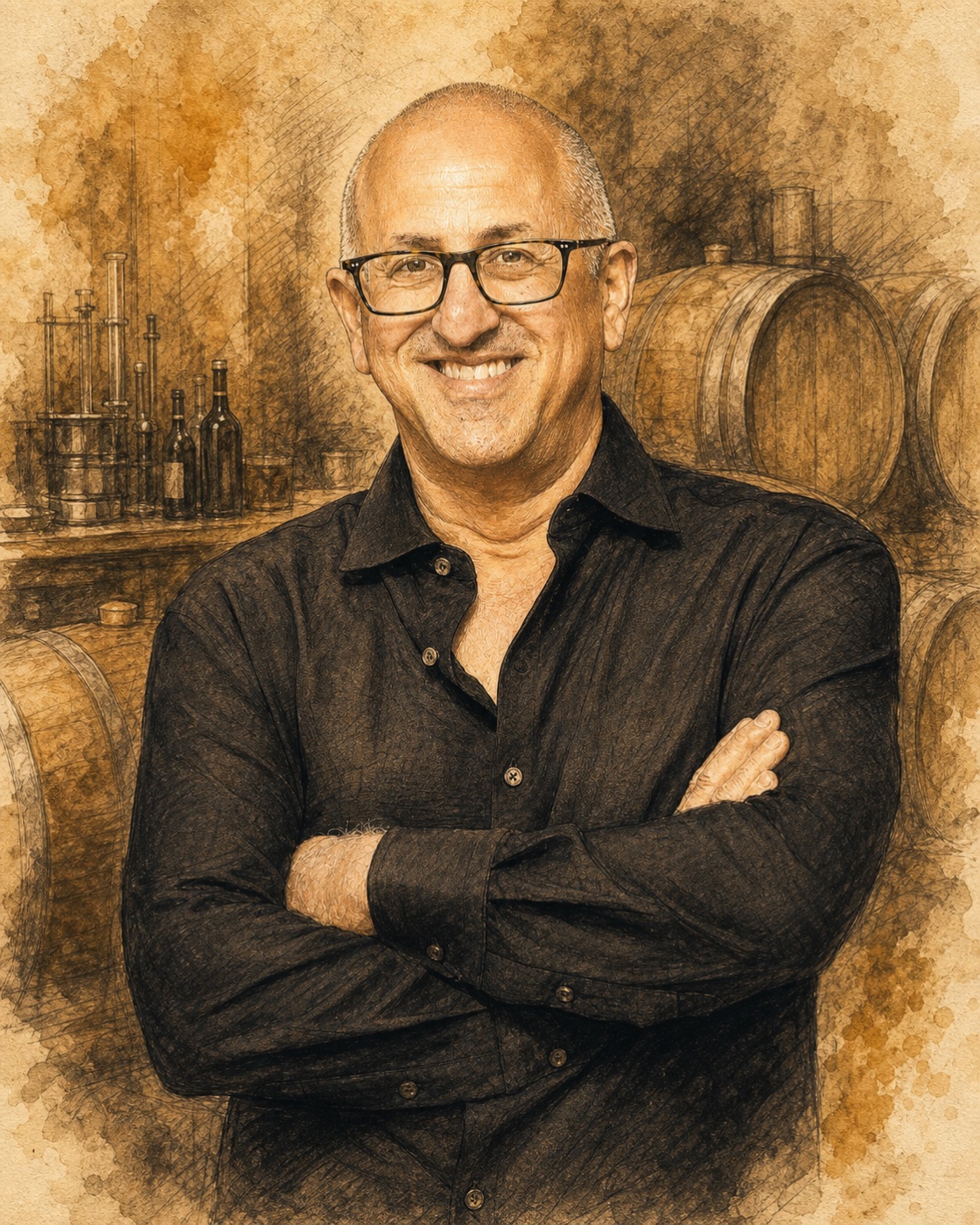
Before the reputation
How they found wine
Arcudi came from Massachusetts and built careers in the US Navy and technology before moving to California to pursue wine. Fantesca’s biography describes an initial rejection from UC Davis, followed by preparatory study at Napa Valley College and eventual admission. The practical origin story is persistence through retraining rather than an overnight reinvention.
A placement at M. Chapoutier brought vineyard expression into focus. At Nickel & Nickel he then worked across many single-vineyard wines, learning how neighbouring sites could demand different decisions. Meeting Heidi Barrett led to Fantesca in 2009. His later appointments grew out of that combination of detailed site work, technical discipline and mentorship.
Tony Arcudi built his Napa foundation at Nickel & Nickel, where working across numerous single-vineyard wines sharpened his attention to differences among sites. He later moved into consulting and founded Arcudi Wines, applying that comparative experience to Cabernet Sauvignon and other limited-production wines.
His career represents a contemporary model of authorship: one winemaker working across several estates while maintaining a personal label. The task is less about imposing one recipe than diagnosing fruit, matching extraction and élevage to a client’s aims, and preserving distinction within the polished language of modern Napa.
Beyond one bottle
Why the work mattered
Arcudi’s contribution lies in detailed small-lot work and a second-career path built on retraining. His experience connects technical discipline with judgement learned across many individual vineyards. The progression from internship to assistant winemaker, estate responsibility and his own label shows how that expertise accumulates over successive harvests.
What they changed
Many vineyards as an education
Repeated small-lot comparisons trained attention on how Napa sites respond differently in the cellar.
Consulting without a single formula
Separate estate identities require technique to be adjusted rather than stamped onto every wine.
A personal proving ground
Arcudi Wines gives the consultant direct responsibility for style, sourcing, and release decisions.
Follow the work
Wineries and working relationships
The winery biographies support these named connections. They do not provide a complete private consulting roster; new appointments require a fresh source check.
Maison M. Chapoutier
After UC Davis
InternRhône training in vineyard-focused winemaking.
Nickel & Nickel
Before 2009
Assistant winemakerWorked across 25 single-vineyard wines according to Fantesca’s biography.
Fantesca Estate & Winery
Joined 2009; consulting appointment 2025
Winemaker; later consulting winemakerEarly work included King Richard’s Reserve Pinot Noir; later responsibility expanded.
Kapcsándy Family Winery
Appointed 2016
WinemakerA separate Napa estate appointment.
Arcudi Wines
Debut wine: 2012 Cabernet Sauvignon
Founder / winemakerPersonal production alongside work for other estates.
History reviewed . Roles and ownership may have changed.
Representative bottles
Where to meet the idea
- Arcudi Cabernet Sauvignon
The personal-label expression of Arcudi’s approach to Napa Cabernet.
- Fantesca Estate Cabernet Sauvignon
A Spring Mountain client wine that shows his work with elevated estate fruit.
- Fantesca All Great Things
A Cabernet-led blend where selection and blending are placed at center stage.
Study the signature
Turn the biography into a tasting.
Begin with Arcudi Cabernet Sauvignon, then place it beside Fantesca Estate Cabernet Sauvignon when the opportunity allows. The point is not to crown a winner; it is to notice which choices remain legible across price, age, vineyard, and vintage.
Follow three linked ideas as you taste: many vineyards as an education, consulting without a single formula, a personal proving ground. Write down the evidence you can actually perceive, then return to the producer’s history and ask which part of the story the glass supports—and which part belongs to reputation.
A consulting portfolio changes over time. Check the vintage and estate’s own technical information before assigning a particular bottle to Arcudi.