
Grape field guide · pale-skinned

Athiri

The vineyard’s unapologetic perfumer

Meet Athiri: part fruit, part structure, and part argument with the place that grows it. The aromatic trail may include lemon blossom, pear, white peach, but the useful lesson is how those clues meet early-ripening fruit and a restrained frame.

The Aegean islands, GreeceEarly-ripening1 benchmark area mapped
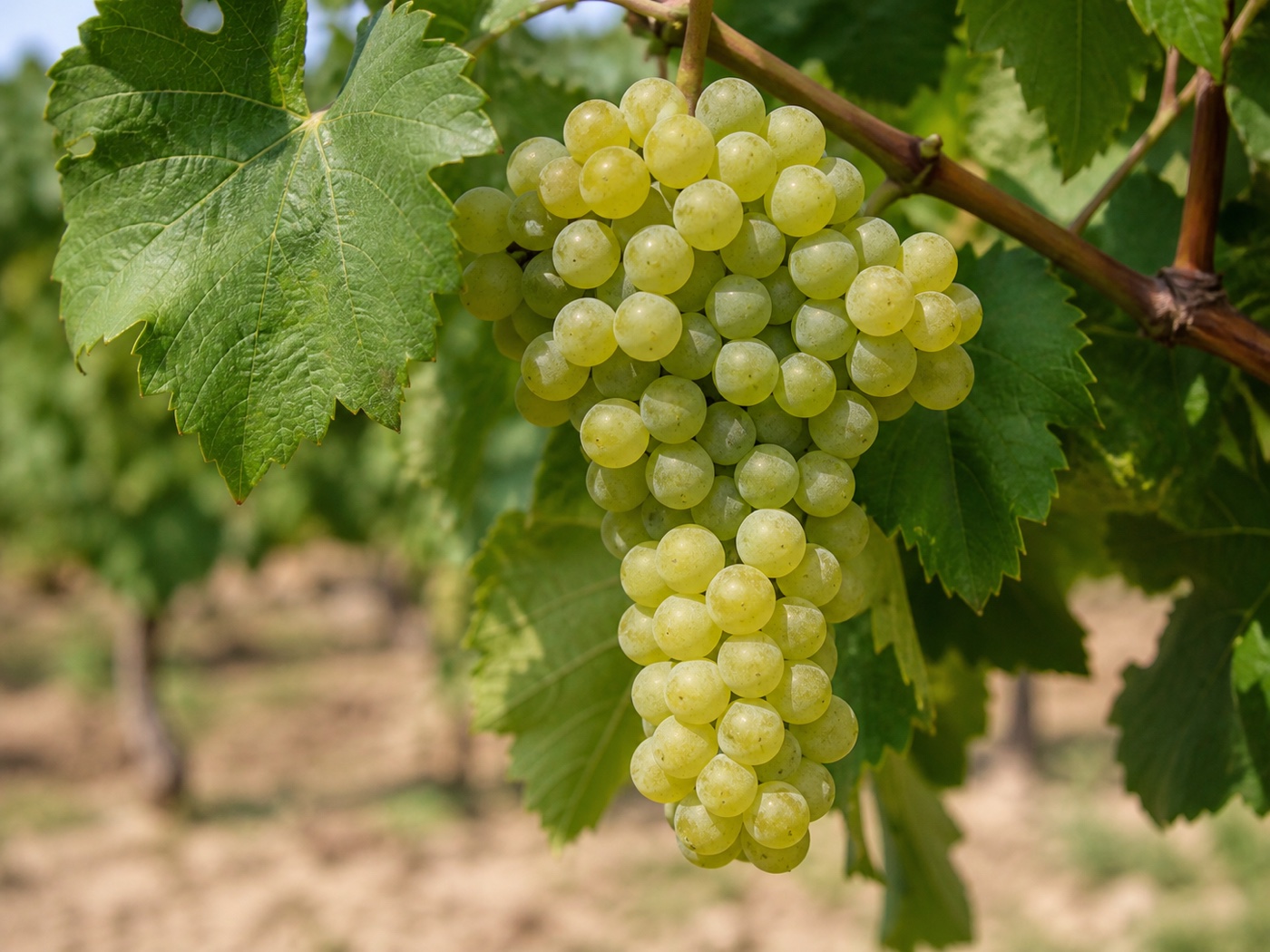
A bunch of Athiri wine grapes on the vine
Botanical reference illustration for AthiriAppearance alone cannot identify a cultivar.

The grape story

How Athiri got here

One of the old Aegean varieties used on Rhodes, Santorini, and other islands, often in blends with more structured grapes.

Its home territory: The Aegean islands, Greece.

Names you may meetAthiri Aspro

In the glass

Characteristics, not guarantees

These are useful recurring possibilities. Climate, yield, harvest date, fermentation, extraction, maturation, bottle age, and serving conditions can all move the result.

Smells to investigate

  • lemon blossom
  • pear
  • white peach
  • herbs

Flavours to investigate

  • soft citrus
  • pear
  • melon

Typical structural range

Acidity
3/5
Body
2/5

In the vineyard

How the vine behaves

Suited to warm, dry conditions but can lose acidity if harvested late.

Berry colour
pale-skinned
Ripening window
Early-ripening
Important caution
Site and clone can matter as much as the variety name.

Common expressions

Styles it can make

  • fresh dry white
  • island blend
  • sparkling base

Variety does not dictate method. Skin contact, whole bunches, pressing, fermentation vessel, yeast, oxygen, oak, lees, sweetness, fortification, and bubbles can transform the same fruit.

Blending partners

Athiri does not always work alone.

A blend is not a hiding place for leftovers. Each grape can be asked to supply fruit, perfume, acidity, tannin, colour, body, or simply a better answer to an awkward vintage.

Assyrtiko · Aidani · Athiri

Santorini white blend

Assyrtiko may be the solo star, but traditional island blending shows why supporting grapes survive. Aidani and Athiri can round its severity, while Assyrtiko prevents the blend from becoming a scented sun lounger.

The recipe moves

Dry wines and Vinsanto use different proportions and picking decisions. Assyrtiko often leads, but tradition is not one equation.

Try the lesson

Compare varietal Assyrtiko with a three-grape island blend. Look for perfume and softness without losing the volcanic-climate tension.

Where it matters

Major growing areas

Markers combine dedicated World Explorer profiles with audited benchmark areas important to Athiri. This is a teaching map of major associations—not a census of every planting.

  1. 1SantoriniGreece · Explorer profile

Try this at home

Give the lesson two glasses.

Put Athiri beside Aidani. Do not play “guess the grape.” Compare acidity, tannin or phenolic grip, body, aroma intensity, and the length of the finish. The useful answer is not which one you prefer, but what created the difference.

Wine 1 · GreeceSantorini

Hot, dry, windy Mediterranean conditions with strong maritime exposure.

Keep digging

Follow the evidence, not the folklore.

Historical names, vineyard collections, official records, and modern research do not always agree neatly. These are starting points for checking the parts of the story that matter for this grape.

  1. OIV Vine Varieties Database ↗International names, synonyms, and country associations.
  2. UC Davis Foundation Plant Services ↗Reference plant material, origins, and selections.
  3. Wines of GreeceRegional context for Athiri in Santorini.