
Grape field guide · dark-skinned
Zweigelt
The vineyard’s unapologetic perfumer
Do not reduce Zweigelt to a list of smells. Yes, sour cherry, blackberry, violet may appear, but its real personality lives in the tension between ripeness, acidity, texture, and the grower’s choices. This is a grape to follow through the whole sip, not identify after one sniff.
The grape story
How Zweigelt got here
Fritz Zweigelt created the cross of Blaufränkisch and St Laurent at Klosterneuburg in 1922; it later became Austria's most planted dark-berried variety.
Its home territory: Austria.
In the glass
Characteristics, not guarantees
These are useful recurring possibilities. Climate, yield, harvest date, fermentation, extraction, maturation, bottle age, and serving conditions can all move the result.
Smells to investigate
- sour cherry
- blackberry
- violet
- pepper
Flavours to investigate
- red and dark fruit
- spice
- herbs
Typical structural range
In the vineyard
How the vine behaves
Generally ripens reliably and crops well, but dense bunches can be vulnerable to rot and vines can suffer Zweigelt-specific decline.
- Berry colour
- dark-skinned
- Ripening window
- Early- to mid-ripening
- Important caution
- Site and clone can matter as much as the variety name.
Common expressions
Styles it can make
- fruit-led dry red
- oak-aged red
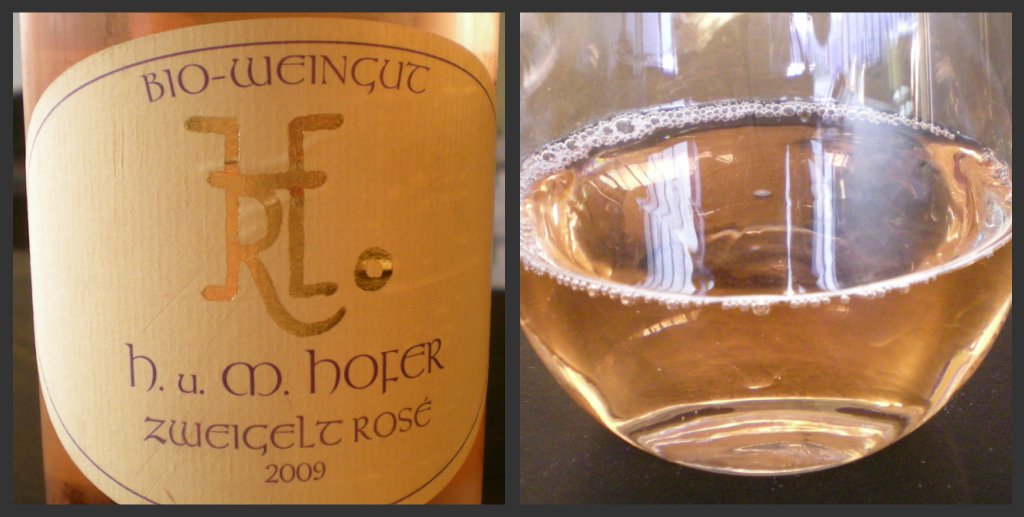
- rosé
Variety does not dictate method. Skin contact, whole bunches, pressing, fermentation vessel, yeast, oxygen, oak, lees, sweetness, fortification, and bubbles can transform the same fruit.
Blending partners
Zweigelt does not always work alone.
A blend is not a hiding place for leftovers. Each grape can be asked to supply fruit, perfume, acidity, tannin, colour, body, or simply a better answer to an awkward vintage.
Where it matters
Major growing areas
Markers combine dedicated World Explorer profiles with audited benchmark areas important to Zweigelt. This is a teaching map of major associations—not a census of every planting.
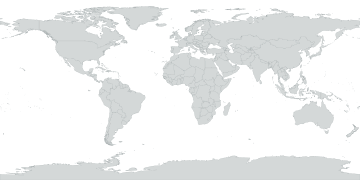 1Lower Austria2Burgenland
- 1Lower AustriaAustria · benchmark area
- 2BurgenlandAustria · benchmark area
Try this at home
Give the lesson two glasses.
Taste two versions of Zweigelt: one young and unoaked, one with greater maturity or cellar influence. Keep the serving temperature and glassware the same, then ask which differences belong to fruit and which belong to process.
This grape appears in the Explorer’s supporting data but does not yet have a dedicated benchmark region. Use the field guide as the starting point for a future regional comparison.
Keep digging
Follow the evidence, not the folklore.
Historical names, vineyard collections, official records, and modern research do not always agree neatly. These are starting points for checking the parts of the story that matter for this grape.