
Grape field guide · pale-skinned

Cortese

The vineyard’s unapologetic perfumer

Meet Cortese: part fruit, part structure, and part argument with the place that grows it. The aromatic trail may include lemon, green apple, white flowers, but the useful lesson is how those clues meet mid-ripening fruit and a restrained frame.

Piedmont, ItalyMid-ripening1 benchmark area mapped
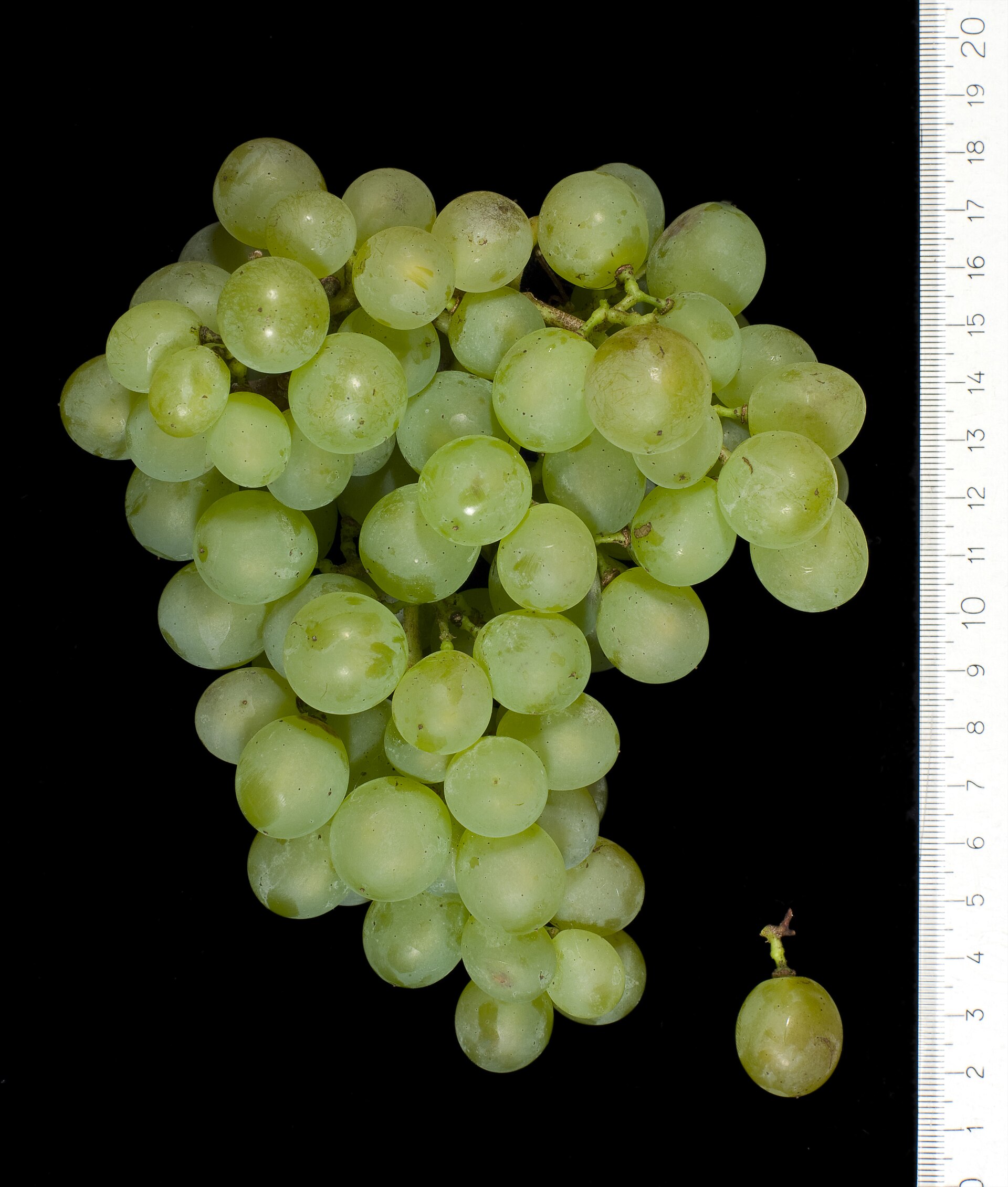
A bunch of Cortese wine grapes on the vine
Photograph: Please note: This photo can be reproduced. Please quote the source as indicated below: Doris Schneider, Ursula Brühl, Julius Kühn-Institut (JKI), Federal Research Centre for Cultivated Plants, Institute for Grapevine Breeding Geilweilerhof - 76833 Siebeldingen, GERMANYVIVC2856 CORTESE Cluster in the laboratory 7638.jpg · CC BY-SA 4.0

The grape story

How Cortese got here

Recorded in Piedmont since at least the seventeenth century and now best known through Gavi.

Its home territory: Piedmont, Italy.

Names you may meetCortese Bianco

In the glass

Characteristics, not guarantees

These are useful recurring possibilities. Climate, yield, harvest date, fermentation, extraction, maturation, bottle age, and serving conditions can all move the result.

Smells to investigate

  • lemon
  • green apple
  • white flowers
  • almond

Flavours to investigate

  • citrus
  • apple
  • herbs
  • bitter almond

Typical structural range

Acidity
4/5
Body
2/5

In the vineyard

How the vine behaves

Naturally vigorous and productive; restrained yields and suitable sites help avoid neutrality.

Berry colour
pale-skinned
Ripening window
Mid-ripening
Important caution
Site and clone can matter as much as the variety name.

Common expressions

Styles it can make

  • dry Gavi
  • light sparkling wine

Variety does not dictate method. Skin contact, whole bunches, pressing, fermentation vessel, yeast, oxygen, oak, lees, sweetness, fortification, and bubbles can transform the same fruit.

Blending partners

Cortese does not always work alone.

A blend is not a hiding place for leftovers. Each grape can be asked to supply fruit, perfume, acidity, tannin, colour, body, or simply a better answer to an awkward vintage.

Italy

Piedmont’s working ensemble

Cortese appears here alongside Nebbiolo, Barbera, Dolcetto, Moscato. That does not mean every bottle is blended; it tells you which local grapes can provide useful contrasts in fruit, structure, and ripening.

Explore the regional context →

Where it matters

Major growing areas

Markers combine dedicated World Explorer profiles with audited benchmark areas important to Cortese. This is a teaching map of major associations—not a census of every planting.

  1. 1PiedmontItaly · Explorer profile

Try this at home

Give the lesson two glasses.

Put Cortese beside Barbera. Do not play “guess the grape.” Compare acidity, tannin or phenolic grip, body, aroma intensity, and the length of the finish. The useful answer is not which one you prefer, but what created the difference.

Wine 1 · ItalyPiedmont

Continental, with Alpine influence, fog, hail, and strong differences by slope and elevation.

Keep digging

Follow the evidence, not the folklore.

Historical names, vineyard collections, official records, and modern research do not always agree neatly. These are starting points for checking the parts of the story that matter for this grape.

  1. OIV Vine Varieties Database ↗International names, synonyms, and country associations.
  2. UC Davis Foundation Plant Services ↗Reference plant material, origins, and selections.
  3. Langhe Wines ConsortiumRegional context for Cortese in Piedmont.